



224 Oriental Parade "Tent" | Wellington
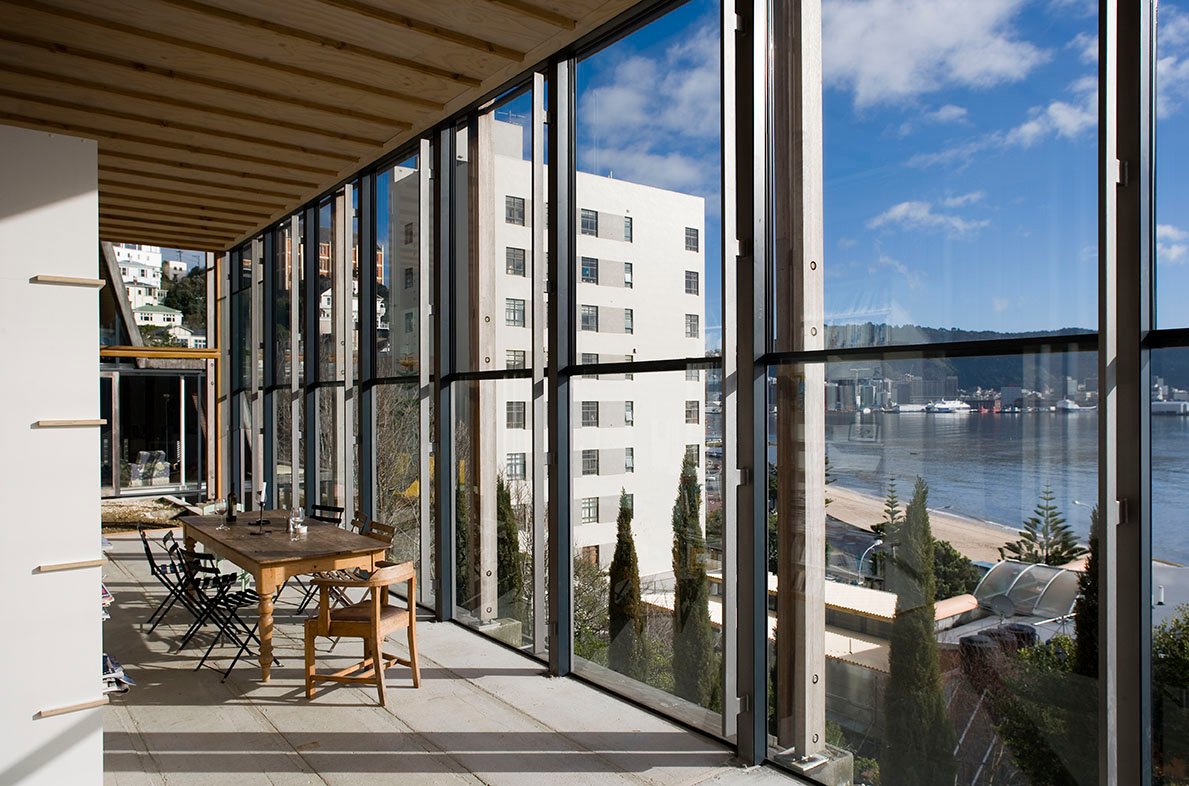
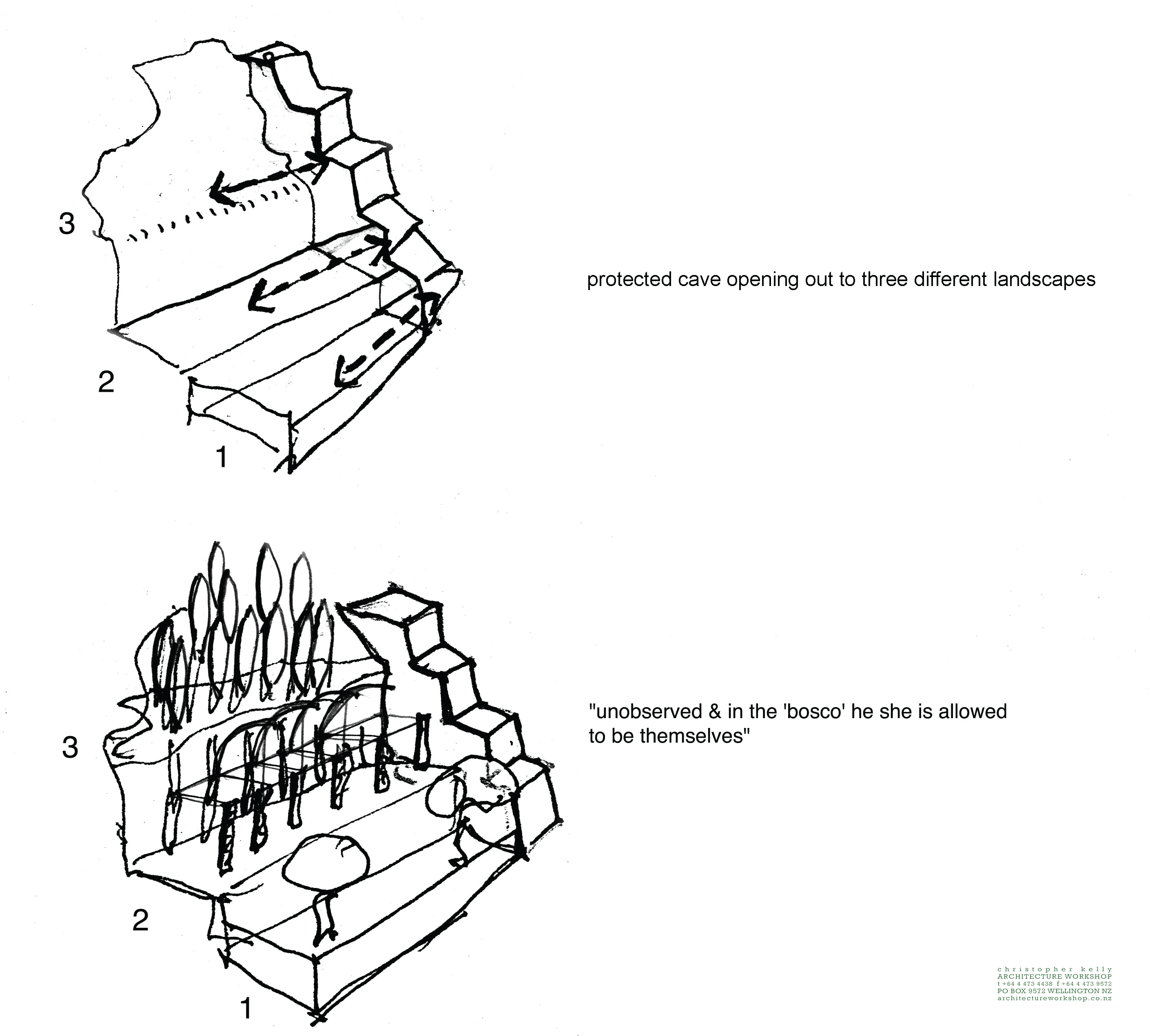
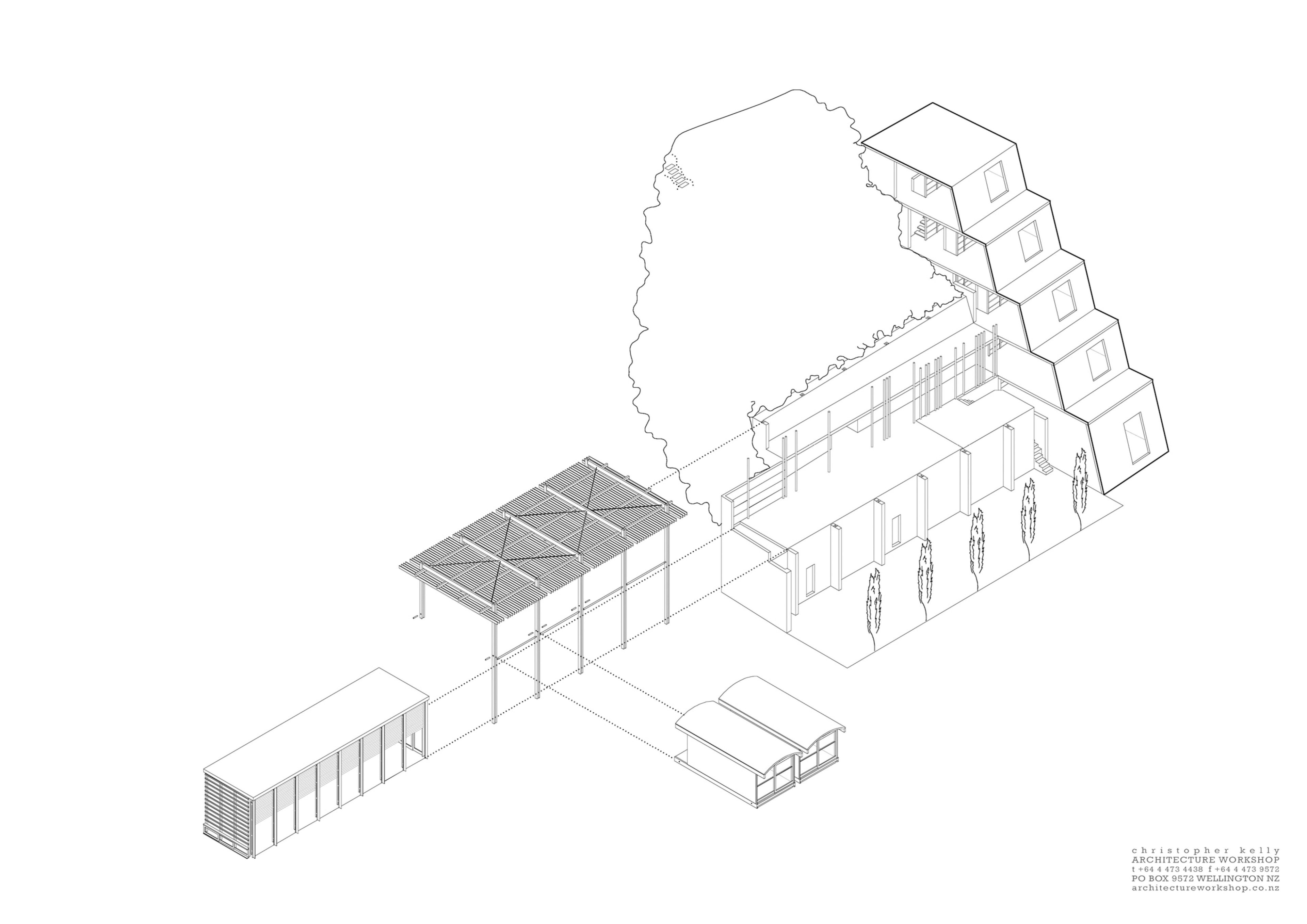
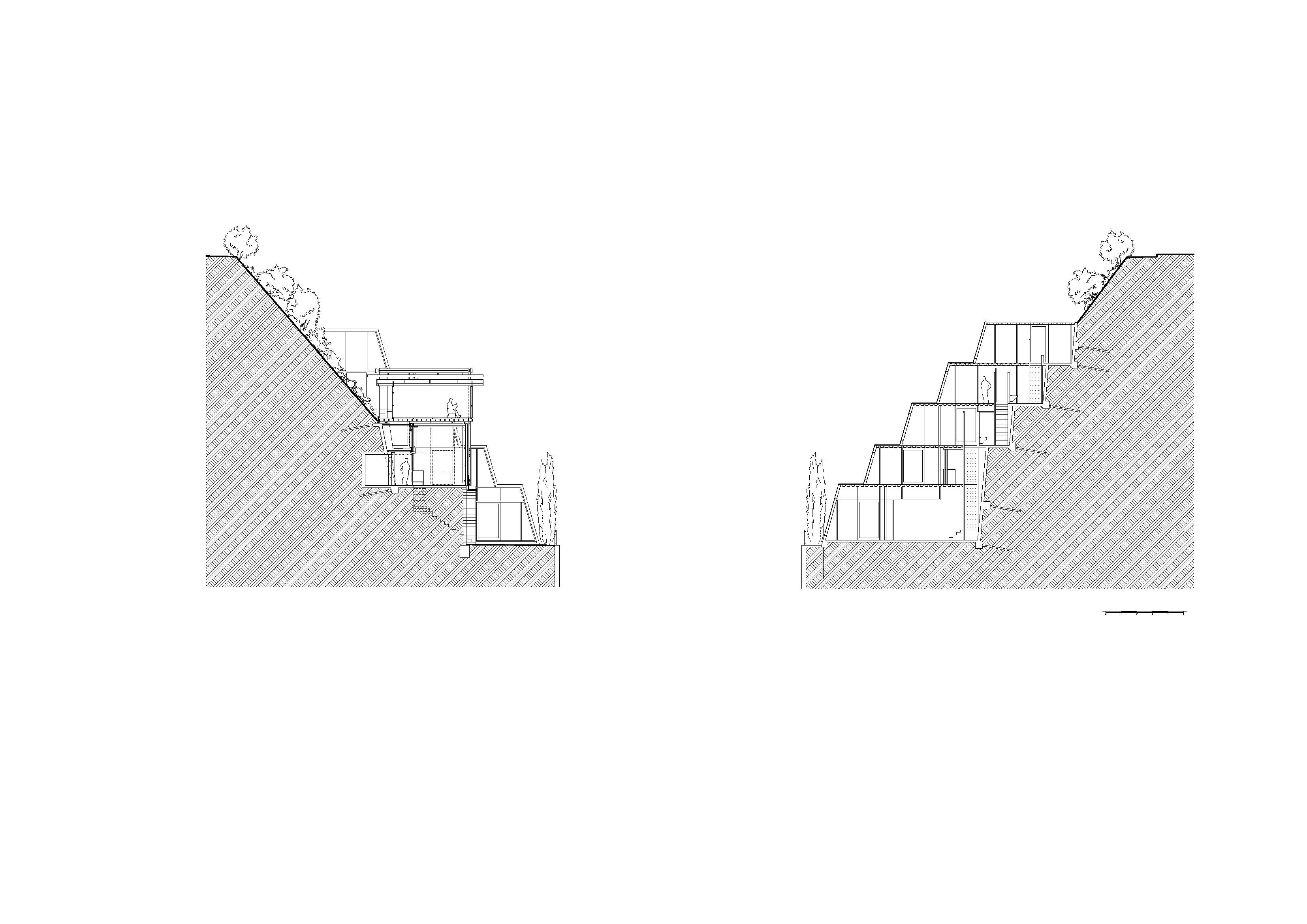
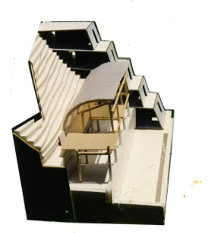
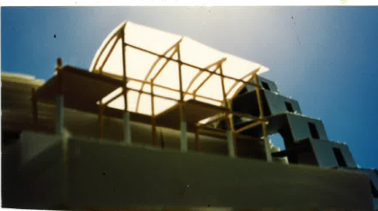
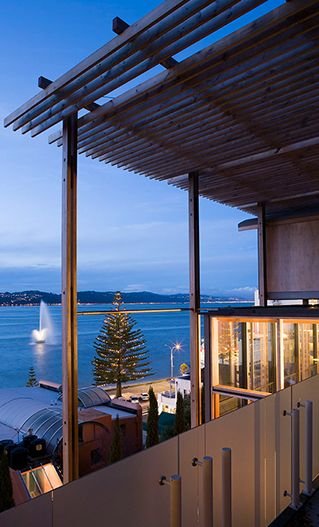
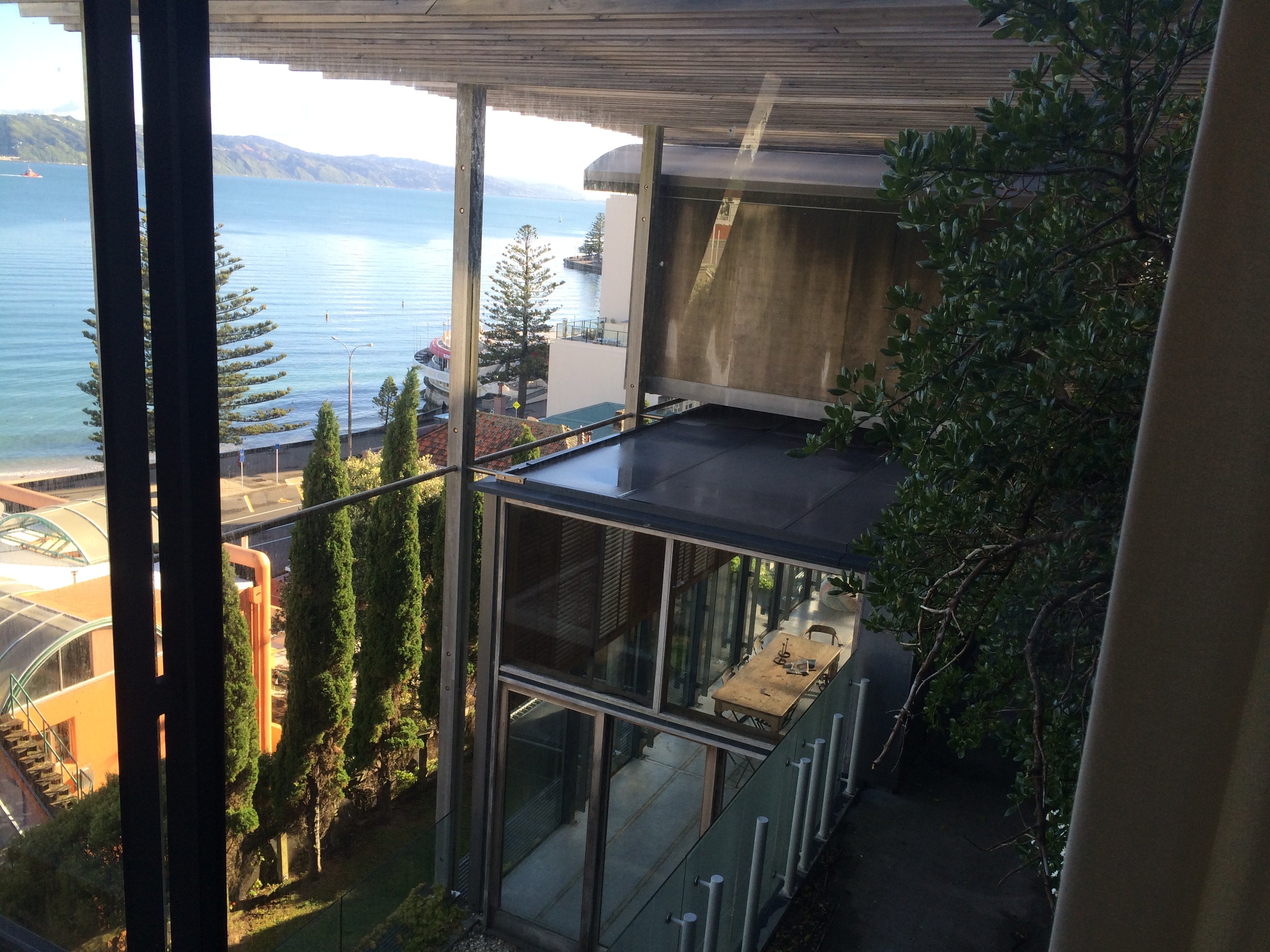
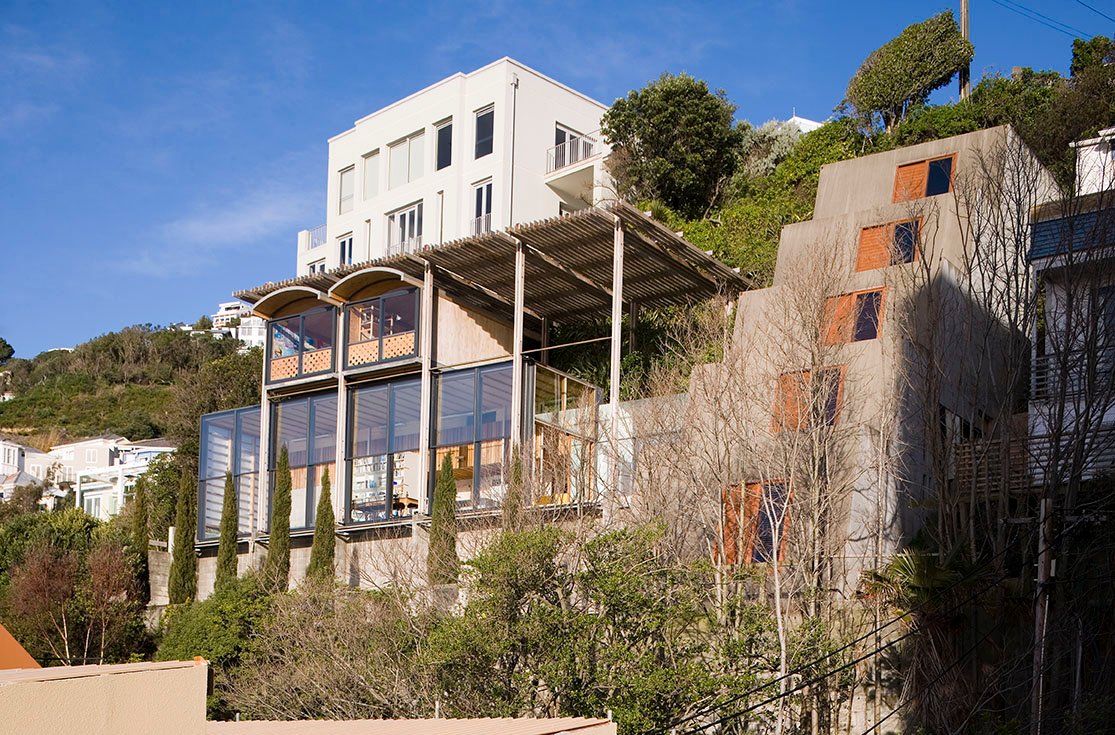
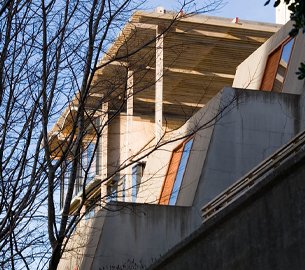
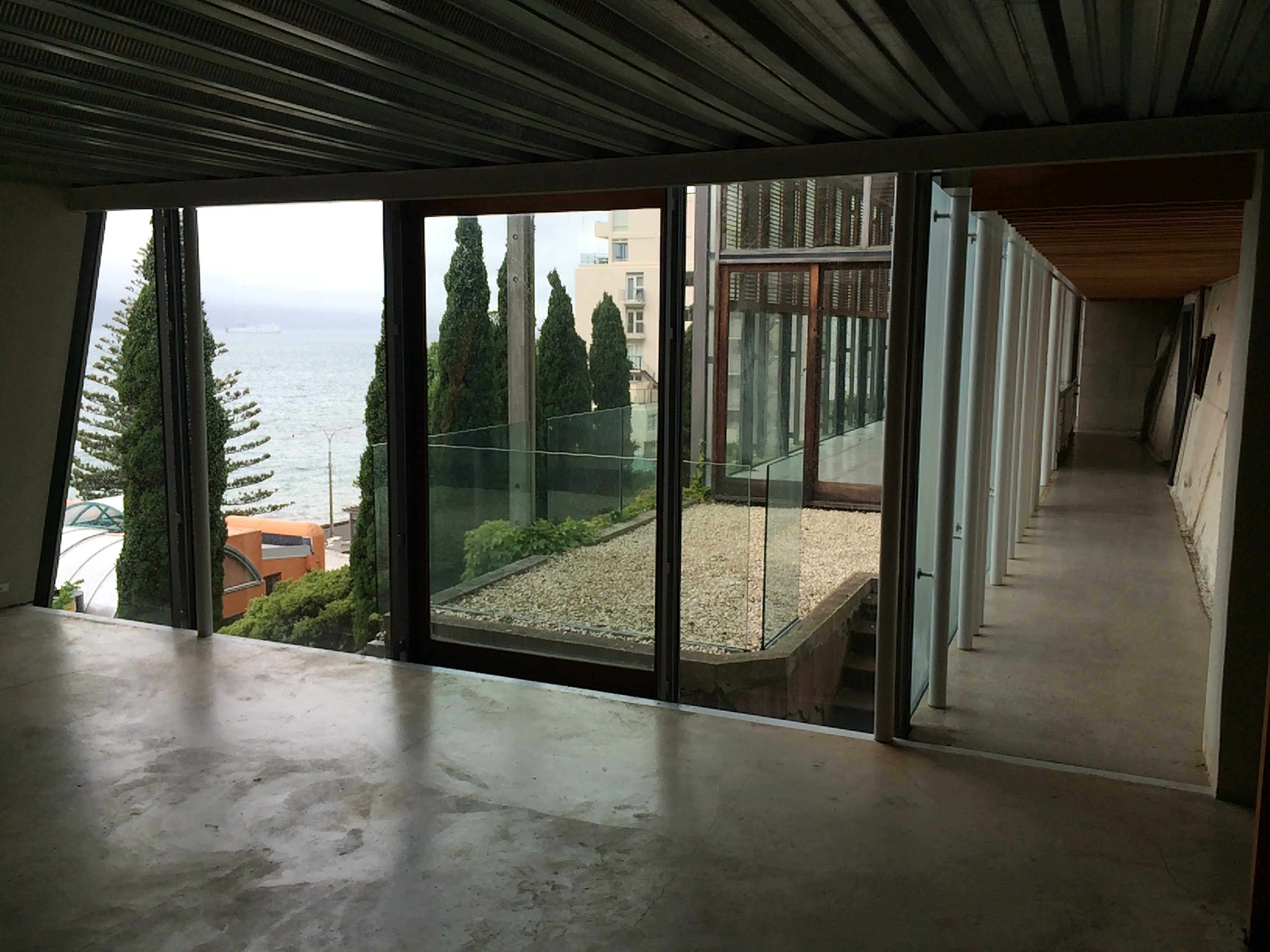
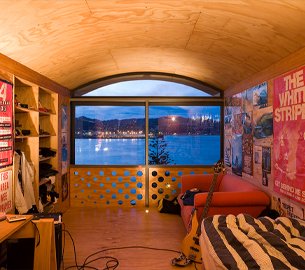
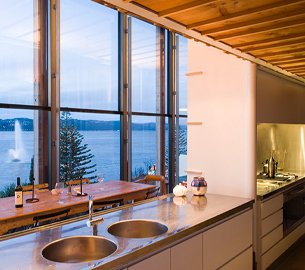
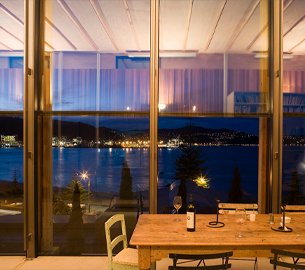
A ziggurat of cubed forms stepping down Mount Victoria, a tall glazed pavilion tacked to the hillside, the Oriental Bay House is an exercise in sufficiency, with a design approach to treat the whole site as a 'constructed environment'. There are three different landscapes on the site: a 'formal garden' - a fat lawn, an 'outdoor room' - a pavilion and the steep scrubby slope behind the house. There are two main structures, so different as to be opposites: the 'cave' - the stepped building on the site's southern boundary; and the 'tent' - the glazed pavilion that looks over Oriental Parade and across the harbour to Tinakori Hill.
The house exemplifies the juxtaposing of solid and light building elements, consisting of two main parts that complement each other. It is a family house but also an audacious experiment in New Zealand residential architecture.
Ref: Reynolds, P. and Walsh, J. (200). New New Zealand Houses.
Publications
Harrison, S. (2011). Forty-six square metres of land doesn’t normally become a house. Port Melbourne, Victoria: Thames & Hudson Australia. pp. 198-203
London, G., Hall, P.B., & Pieris, A. (2004). Oriental Bay House. (n.d.). In Houses for the 21st Century. Sydney: Periplus. pp. 87-89
Bossi, L. (2006, March). Oriental Bay House. DOMUS (890) Almanac. Retrieved from here.
Reynolds, P. and Walsh, J. (2008). Oriental Bay House. New New Zealand Houses. Auckland: Godwit. pp. 78-89